Add to Calendar
10/01/2027 9:00 AM10/02/2027 5:00 PMSouth Sub-Sahara AfricaDigiMarCon Sub-Sahara Africa 2026 - Digital Marketing, Media and Advertising Conference
DigiMarCon Sub-Sahara Africa 2026 is your chance to ...
- Hear from the most audacious and provocative speakers in the digital marketing industry.
- Gain insight into emerging strategies, the latest innovative technologies, and best practices.
- Network with thought leaders, build your network and collaborate with your peers.
DigiMarCon Sub-Sahara Africa 2026 Digital Marketing, Media and Advertising Conference will be held from October 1st to 2nd, 2026 at the luxurious Hyatt Regency in Johannesburg, South Sub-Sahara Africa. Whether your goal is to reinforce customer loyalty, improve lead generation, increase sales, or drive stronger consumer engagement, the DigiMarCon Sub-Sahara Africa 2026 program has been specifically designed to help attendees develop their audience.
Immerse yourself in topics such as digital strategy, programmatic advertising, web experience management, usability / design, mobile marketing & retargeting, customer engagement, user acquisition, social media marketing, targeting & optimization, video marketing, data science & big data, web analytics & A/B testing, email marketing, content marketing, conversion rate optimization, search engine optimization, paid search marketing, geo-targeting, predictive analysis & attribution, growth hacking, conversion rate optimization, growth marketing tools, marketing & sales automation, sustainable growth strategies, product marketing & UX / UI and much, much more!
DigiMarCon Sub-Sahara Africa 2026 offers all of the elements you need to achieve digital marketing success! Conventional thought will be challenged, new ways of thinking will emerge, and you will leave with your head and notebook full of action items and ideas to lead your agency / team / account to even greater success.
Come to DigiMarCon Sub-Sahara Africa 2026 and discover how to thrive as a marketer in a world where everything is digital.
Take advantage of our super saver registration rates and secure your seat early.
For more details visit https://digimarconsubsaharaafrica.com/
Hyatt Regency Johannesburg, 191 Oxford Rd, Johannesburg, Sub-Sahara Africa
Account access guide for kalshi and understanding its betting options
kalshi is a financial technology company operating a regulated futures market. It allows users to trade on the outcomes of real-world events, functioning as a platform for prediction contracts. This guide details how to access your kalshi account and navigate the available betting options, including understanding the different contracts offered and how to place trades.
Accessing kalshi requires a straightforward registration process, and understanding the available markets is crucial for successful trading. This article will walk you through account access, including troubleshooting common login issues, and then explore the specific types of contracts kalshi offers, helping you grasp how to interpret the odds and confidently participate in the market.
Understanding kalshi and Its Trading Options
kalshi differentiates itself from traditional sportsbooks or casinos by offering contracts based on the outcomes of future events, ranging from political elections and economic indicators to natural disasters and pop culture phenomena. Instead of betting on a team to win, users buy and sell contracts that pay out based on whether an event occurs or not. The price of a contract represents the market’s probability assessment of that event happening. A contract priced at 50 cents suggests a 50% probability, while a price of 80 cents indicates an 80% probability, and so on. It’s important to remember that kalshi is not gambling in the traditional sense; it’s more akin to a futures market where participants speculate on the probability of future events. This platform is suited for individuals interested in current events, data analysis, and predictive modeling, who seek to profit from accurately forecasting outcomes.
The value of a contract fluctuates based on supply and demand. If more people believe an event will occur, the demand for the ‘Yes’ contract increases, driving up its price. Conversely, if sentiment shifts towards the opposite outcome, the ‘No’ contract price rises. This dynamic pricing creates opportunities for traders to buy low and sell high, or vice versa. Understanding this interplay between probability and price is fundamental to successful trading on kalshi. Different contract types cater to diverse trading strategies. Some contracts have a binary outcome – the event either happens or it doesn't – while others involve a range of possibilities, requiring traders to predict a specific value or range. Before initiating any trades, it's crucial to fully understand the terms and conditions of each contract, including the settlement date and the basis on which payouts are determined.
[adrotate banner="12"]
Navigating the kalshi Interface
The kalshi platform features a streamlined interface designed for efficient trading. The main dashboard displays a list of available markets, categorized by event type (politics, economics, etc.). Clicking on a market reveals the specific contracts offered, along with their current prices, trading volume, and open interest. The order book provides a detailed view of buy and sell orders, offering insights into market depth and liquidity. To place a trade, you simply enter the quantity of contracts you wish to buy or sell and submit the order. kalshi’s order execution system aims to match buyers and sellers quickly and efficiently. The platform also offers charting tools and historical price data, enabling traders to analyze market trends and identify potential trading opportunities. It’s highly recommended to familiarize yourself with these features before committing real funds.
Understanding Market Resolution
Once a contract's settlement date arrives, kalshi determines the outcome of the event and distributes payouts accordingly. The resolution process is typically based on objective data sources, such as official election results, government statistics, or reputable news agencies. The platform provides clear and transparent information about the resolution criteria for each contract. For ‘Yes’ contracts, if the event occurs as defined in the contract terms, holders receive a payout of $1 per contract. For ‘No’ contracts, payouts are made if the event does not occur. It’s crucial to review the resolution criteria carefully before trading, as differing interpretations can lead to unexpected outcomes. kalshi provides a dedicated support team to address any questions or concerns regarding market resolution.
Review the terms and conditions of each contract before trading.
Understand the settlement date for each contract.
Analyze historical price data to identify market trends.
Familiarize yourself with the platform's charting tools.
Account Access and Login Procedures
Accessing your kalshi account is essential for participating in the platform's trading markets. Registration requires providing a valid email address, creating a strong password, and verifying your identity through a KYC (Know Your Customer) process. This process typically involves submitting a government-issued ID and proof of address. Once registered and verified, you can log in using your chosen email address and password. However, users sometimes encounter login issues, and understanding how to resolve these is important for uninterrupted access. Common problems include forgotten passwords, account lockouts, and two-factor authentication challenges.
If you forget your password, kalshi provides a password reset link via the email address associated with your account. Clicking this link will guide you through the process of creating a new password. Account lockouts typically occur after multiple failed login attempts. If your account is locked, contact kalshi’s customer support team to request a manual unlock. Two-factor authentication (2FA) adds an extra layer of security by requiring a code from your authenticator app alongside your password. If you lose access to your authenticator app, you’ll need to contact kalshi support to disable 2FA and regain access. Maintaining strong password hygiene and enabling 2FA are crucial for securing your account. Regularly review your account activity for any unauthorized transactions and report them to kalshi immediately.
Troubleshooting Common Login Issues
If you are experiencing difficulties logging into your kalshi account, several steps can help resolve the issue. First, ensure that you are entering your email address and password correctly, paying attention to capitalization. Clear your browser's cache and cookies, as these can sometimes interfere with login processes. Disable browser extensions, as some may conflict with kalshi’s website functionality. If you are still unable to log in, check kalshi’s system status page to see if there are any known outages or maintenance activities. Finally, contact kalshi’s customer support team for assistance, providing them with a detailed description of the problem and any error messages you are receiving.
Account Security Best Practices
Protecting your kalshi account requires proactive security measures. Use a strong, unique password that you don't use for other online accounts. Enable two-factor authentication (2FA) using an authenticator app for an extra layer of security. Be wary of phishing emails and avoid clicking on suspicious links. Regularly review your account activity for any unauthorized transactions. Keep your email address and contact information up to date, allowing kalshi to reach you in case of security concerns. Do not share your login credentials with anyone. By following these best practices, you can significantly reduce the risk of unauthorized access to your account.
[adrotate banner="12"]
Enter your email address and password.
If you've forgotten your password, use the password reset link.
If your account is locked, contact customer support.
Enable two-factor authentication for added security.
Understanding Contract Types on kalshi
kalshi offers a diverse range of contract types, each tailored to different market events and trading strategies. The most common types include Yes/No contracts, which focus on binary outcomes – whether an event will occur or not – and Scalar contracts, which allow you to predict a specific numerical value. Understanding the nuances of each contract type is crucial for making informed trading decisions. For example, a Yes/No contract on a presidential election asks whether a particular candidate will win; a Scalar contract might ask for the unemployment rate in a specific month. The contract’s settlement criteria dictate how payouts are determined.
In addition to these core types, kalshi also offers more specialized contracts, such as Range contracts, where you predict whether a value will fall within a specified range, and Multiplier contracts, which offer leveraged payouts. Each contract lists the parameters of the market and the conditions for settlement, which is critical to understanding the possible payout. The platform provides extensive documentation and educational resources to help traders grasp the complexities of each contract type. Before initiating any trade, it's essential to thoroughly review the contract's terms and conditions and understand the associated risks.
Yes/No Contracts: A Deep Dive
Yes/No contracts are the simplest and most popular type of contract on kalshi. They represent a binary outcome: the event either happens (Yes) or it doesn't (No). The contract price reflects the market's probability assessment of the event occurring. A price above 50 cents indicates that the market believes the event is more likely to happen, while a price below 50 cents suggests it's less likely. Traders can buy ‘Yes’ contracts if they believe the event will occur or sell ‘Yes’ contracts if they believe it won't. Conversely, they can buy ‘No’ contracts if they believe the event won't happen or sell ‘No’ contracts if they believe it will. The payout for a Yes contract is typically $1 per contract if the event occurs, and the payout for a No contract is $1 per contract if the event does not occur.
Scalar Contracts: Predicting Numerical Values
Scalar contracts allow traders to predict a specific numerical value for a future event. For example, a scalar contract might ask for the average temperature in a city on a particular date or the total number of votes cast in an election. The contract price represents the market's consensus estimate for the value. Traders can buy or sell contracts at different price points, depending on their prediction. The payout is determined by how close the actual value is to the contract price. The closer the actual value, the higher the payout. Scalar contracts require a deeper understanding of the underlying event and the factors that could influence its outcome.
Contract Type
Outcome
Prediction
Yes/No
Binary (event happens or doesn't)
Whether an event will occur
Scalar
Numerical value
A specific numerical value
Range
Numerical value
Whether a value falls within a range
Multiplier
Numerical value
Leveraged payouts
Deposits and Withdrawals on kalshi
Funding your kalshi account and withdrawing profits are essential aspects of participating in the platform. kalshi supports a range of funding methods, allowing you to deposit funds from your bank account or other sources. Withdrawals are processed securely back to your linked bank account. It's crucial to understand the deposit and withdrawal procedures, as well as any associated fees or limits. The platform emphasizes security throughout the entire process, utilizing encrypted connections and robust security measures to protect your funds.
Before initiating a deposit or withdrawal, you’ll need to complete the account verification process, which involves submitting a government-issued ID and proof of address. Keep in mind that deposit and withdrawal times can vary depending on the funding method and your bank's processing times. Always double-check the accuracy of your banking information before submitting a transaction to avoid delays or errors. It’s also crucial to familiarize yourself with kalshi’s terms and conditions regarding deposits and withdrawals, including any applicable limits or restrictions.
Navigating the Deposit Process
To deposit funds into your kalshi account, navigate to the "Deposit" section of the platform. You'll be prompted to select your preferred funding method and enter the necessary information. Follow the on-screen instructions carefully to ensure that the transaction is processed correctly. kalshi may require you to link your bank account or credit card for verification purposes. Once your deposit is approved, the funds will be credited to your account balance, and you can begin trading. Keep a record of your deposit confirmations for your records.
Withdrawing Funds from Your Account
To withdraw funds from your kalshi account, navigate to the "Withdraw" section. Select your linked bank account as the withdrawal destination and enter the amount you wish to withdraw. kalshi will process your withdrawal request and send the funds to your bank account. Withdrawal processing times can vary, so it’s essential to allow sufficient time for the funds to arrive. Be aware of any withdrawal limits that may apply. You may be required to provide additional documentation to verify your identity before processing a withdrawal. Keep a record of your withdrawal requests for your records.
Responsible Trading on kalshi
kalshi, like any financial trading platform, carries inherent risks. It’s essential to approach trading responsibly and within your financial means. Before engaging in any trading activity, it’s crucial to understand the risks involved and to develop a sound trading strategy. kalshi provides resources to help users learn about the platform and responsible trading practices. Setting limits on your trading activity can help you avoid excessive losses.
Remember that past performance is not indicative of future results, and there’s always a possibility of losing money. Avoid trading with funds that you cannot afford to lose. Take breaks from trading regularly to avoid impulsive decisions. If you feel that your trading activity is becoming problematic, seek help from a trusted friend, family member, or professional counselor. kalshi is committed to promoting responsible trading and providing users with the tools and resources they need to manage their risk.
Prioritizing Account Security and Understanding Risk
Ultimately, a successful experience with kalshi hinges on proactive account security and a mindful approach to risk management. Regularly review your account settings, enable two-factor authentication, and stay informed about potential phishing scams. Before entering any trade, thoroughly research the underlying event, understand the contract terms, and assess your own risk tolerance. Trading on kalshi requires discipline, knowledge, and a commitment to responsible practices. By prioritizing these aspects, you can enhance your trading experience and potentially capitalize on the opportunities offered by this innovative platform.
GET YOUR FREE DIGIMARCON BROCHURE AND NEVER MISS AN UPDATE
Sign up for email updates and get your the FREE DigiMarCon Subsahara Africa brochure and stay in the know about all things DigiMarCon including price changes, discounts, and the latest speakers added to the schedule.
Business and marketing professionals have a lot of choice in events to attend. As the Premier Digital Marketing, Media and Advertising Conference & Exhibition Series worldwide see why DigiMarCon stands out above the rest in the marketing industry and why delegates keep returning year after year
Global Event Series
DigiMarCon is the Largest Digital Marketing, Media and Advertising Conference & Exhibition series in the world, with annual events held in all continents (North America, Latin America, Europe, UK, Asia Pacific, Middle East and Africa) in 13 countries (United States, Canada, Australia, New Zealand, United Kingdom, Ireland, Netherlands, Spain, Brazil, Singapore, India, United Arab Emirates and South Africa), across 33 cities (New York, Philadelphia, Boston, Toronto, Vancouver, Montreal, Houston, Dallas, Chicago, Los Angeles, San Francisco, Seattle, Washington DC, New Orleans, Atlanta, Detroit, Miami, Denver, San Diego, Phoenix, Las Vegas, Honolulu, London, Dublin, Amsterdam, Barcelona, Johannesburg, Cape Town, Dubai, Sydney, Auckland, Singapore and Sao Paulo). All DigiMarCon Events can be attended in-person or online. Wherever you are located there is a regional DigiMarCon event nearby you can attend.
5-Star Luxury Event Venues
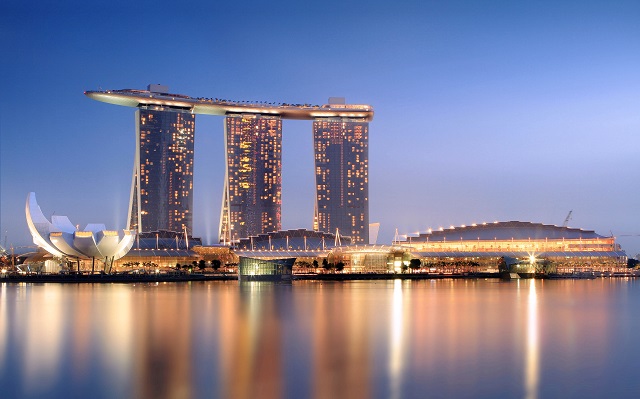
DigiMarCon Conferences are held in top luxury 5-star event venues across the world such as; Royal Caribbean Cruise Ships, Olympic Stadiums, Marina Bay Sands Expo & Convention Centre and Wynn, JW Marriott, Marriott Marquis, Hyatt Regency, InterContinental, The Westin, Renaissance, Hilton, Conrad, W, Sheraton, Loews and Sofitel Hotel properties. Discount hotel room rates at each venue hotel means no hassle getting to and from the venue each day.
Extensive & Memorable Networking Experiences
Building relationships matter! At DigiMarCon Conferences we have more networking breaks on our program than others. On average there are 8 Networking breaks at each event giving delegates ample opportunities in a relaxed atmosphere to meet others over the 2-days at the event; from 1-hour round table networking luncheons to 3-hour dinner receptions. These networking breaks are set in picturesque locations to facilitate memorable experiences while fostering new relationships. Such experiences include enjoying cocktails and the Sunset over the Pacific Ocean on a private Ocean Terrace in Santa Monica, to being on the Sydney Olympic Stadium playing arena at night enjoying cocktails under the lights, to dining at the 360 Revolving Restaurant at the top of the CN Tower in Toronto for a Dinner Reception, enjoying cocktails on a private promenade overlooking Times Square in New York City, or having fun at the Dazzles Night Club onboard the Royal Caribbean Oasis of the Seas for a Farewell Party, etc.
Industry Thought Leaders from Leading Brands
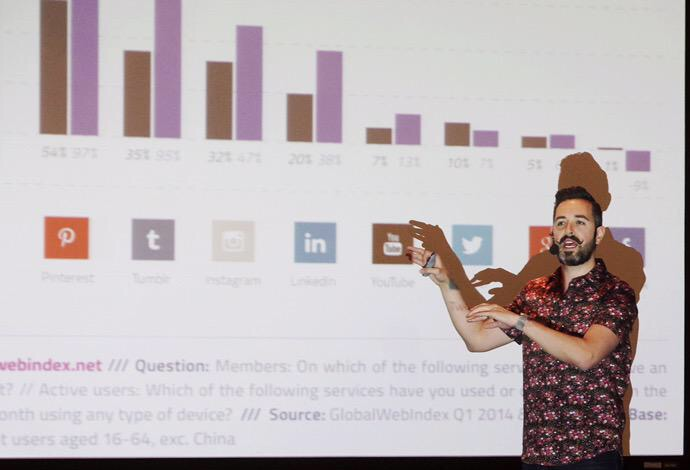
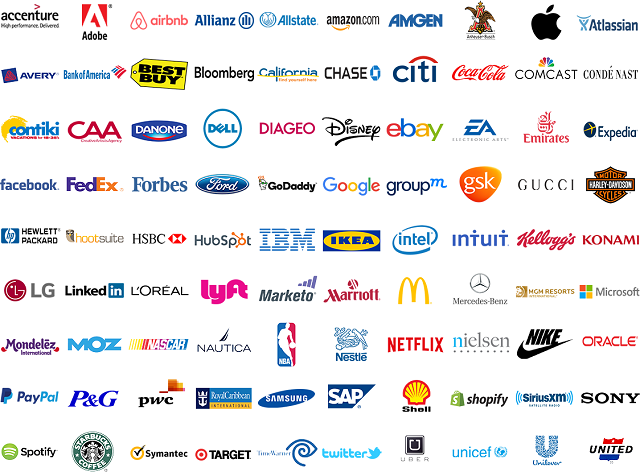
DigiMarCon Keynotes, Panels and Master Classes are facilitated by the foremost thought leaders in the industry, from celebrity social media influencers to CMO’s from the largest Fortune 500 company brands that are disrupting the digital marketing, media and advertising industry, such as Google, Facebook, Microsoft, Amazon, Oracle, Adobe, eBay, Netflix and more. All presentations are pitch-free, and include actionable takeaways, case studies, strategies and tactics, ready to be applied when back in the office.
Premium Comfortable Meeting Spaces
At DigiMarCon Conferences you are never ‘left in the dark’…. literally, in a large room far away from the stage and speakers, crushed in tight theater seating, without even a table, while sitting in the dark. At DigiMarCon all delegates have premium meeting space in luxurious ballroom well-lit spaces, with comfortable seating with table enabling delegates to use their laptop to take notes with ample charging facilities onsite in a comfortable space to learn and thrive. All tables are situated close with direct view of the stage.
Value for Money & Generous Discounts
DigiMarCon Conferences are affordable to attend, from single-day event passes up to two-day VIP options at a fraction of the cost of other industry events. We offer significant discounts for early bird registrations. Additionally, on top of time-limited discount pass rates, because budgets are tight, we want to make sure all groups have a chance to attend DigiMarCon. For government employees, students, academic, startups, non-profit organizations and teams, we offer generous discounts off the prevailing registration price.
Collaborative Learning & Audience Participation
Attend DigiMarCon and you become part of the show! DigiMarCon Conferences tap into the talent of the room, drawing from the knowledge and experience of the professionals in the audience. All DigiMarCon events include regular interactive question and answer sessions with speakers and the audience ideal for collaboration, audience polls, along with ice-breaker and group exercises, steered by charismatic Emcees.
Meet the Speakers in Person
DigiMarCon Conferences put you right up and close with the speakers giving you the opportunity to meet these social media influencers which you follow in person. Speakers are never hidden in private speaker rooms away from the audience, they are in the auditorium sitting right beside you and participating.
Exceptional Customer Service
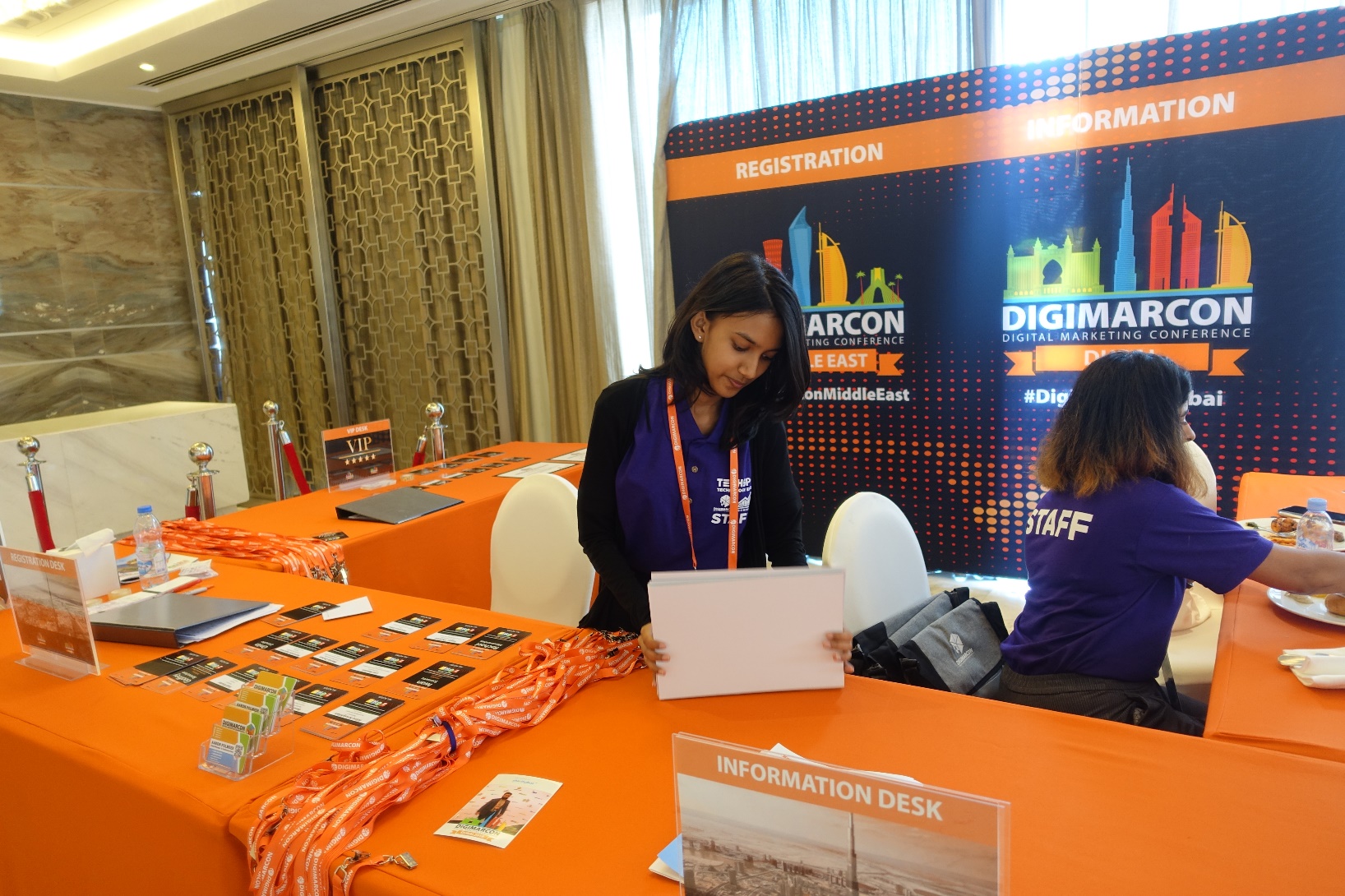
Attending a conference is a well-researched decision. There are many factors to consider such as location, time, venue, cost, speakers, content, etc. At DigiMarCon our results-obsessed Customer Service team are at your service before, during and after the event to help with your needs. It’s at the core of what we do — it drives our business. Offsite, we are ready to assist you via phone, ticket or chat. Onsite at our Conferences, friendly DigiMarCon staff serve as your hosts. They welcome your input and are happy to assist you.
TECHSPO Technology Expo
At all DigiMarCon Conferences is the co-located exclusive event TECHSPO Technology Expo, which showcases the new generation of technology and innovation, including; AdTech, MarTech, Internet, Mobile and SaaS technologies. Be inspired, amazed and educated on how these evolving technologies will impact your business for the better. Unlimited Access to TECHSPO Technology Expo is included with all DigiMarCon passes.
On Demand Library Access
DigiMarCon All Access & VIP Passes include a 12-month on demand access to hundreds of hours of DigiMarCon speaker keynotes, panels and master class presentations from recent DigiMarCon Conferences, including videos, slide decks and key takeaways, available on demand so you can watch what you want, when you want.
The Largest Digital Marketing, Media & Advertising Community
Attendees of DigiMarcon Conferences gain membership to an exclusive global Digital Marketing, Media and Advertising Community of over 500,000 worldwide subscribers to our award-winning digital marketing blog and over 100,000 members to the International Association of Digital Marketing Professionals (visit https://iadmp.org). This global community comprises of innovators, senior marketers and branders, entrepreneurs, digital executives and professionals, web & mobile strategists, designers and web project managers, business leaders, business developers, agency executives and their teams and anyone else who operates in the digital community who leverage digital, mobile, and social media marketing. We provide updates to the latest whitepapers and industry reports to keep you updated on trends, innovation and best practice digital marketing.
Safe, Clean & Hygienic Event Environment
The events industry has forever changed in a world affected by COVID-19. The health and safety of our guests, staff and community is our highest priority and paramount. The team at DigiMarCon is dedicated to ensuring a great experience at our in-person events, and that includes providing a safe, clean and hygienic environment for our delegates.
Some of the key areas we have implemented safe and hygienic measures include;
Limiting Venue Capacities to allow for Social Distancing
Health and Safety Protocols
Safe Food and Beverages and Food-handling
Sanitation Stations with Hand Sanitizer and Wet Wipes Dispensers
Sanitation and Disinfection of Common and High-Traffic Areas
Physical Distancing Measures Between Attendees
Social Distancing Room and Seating Configurations
Non-Contact Thermal Temperature Scanning
Hybrid Events: Attend In-Person or Online
DigiMarCon has always been industry leaders of the Hybrid Event experience for years (a hybrid event combines a "live" in-person event with a "virtual" online component), no one needs to miss out on attending our events. Each DigiMarCon Conference can be attended in-person (with a Main Conference, All Access or VIP Pass) or online (with a Virtual Pass) giving attendees a choice for the experience they want to have. Attending virtually by viewing a Live Stream or On Demand enables participation by people who might be unable to attend physically due to travel or time zone constraints or through a wish to reduce the carbon footprint of the event. If you would like to meet the speakers, network with fellow marketing professionals at refreshment breaks, luncheons and evening receptions, check out the latest Internet, Mobile, AdTech, MarTech and SaaS technologies providers exhibiting then it is highly recommended to attend DigiMarCon in-person. As the largest Digital Marketing, Media and Advertising Conference series with events in 33 international cities worldwide, across 13 countries, there is bound to be a DigiMarCon Event near you to attend in-person if you can.
High-Profile Audience From Leading Brands
DigiMarCon Conference Series is the annual gathering of the most powerful brands and senior agency executives in your region. The Sharpest Minds And The Most Influential Decision Makers - Together for Two Days.
Who Attends Our Conferences
Brands • Agencies • Solution & Service Providers • Media Owners • Publishers • Entrepreneurs • Start-Ups • Investors • Government • Corporates • Institutes of Higher Learning
 Event Starts in: